Unlocking the Power of External Hard Disks: A Guide to Storage Solutions


External hard disks have become an essential tool for many individuals and organizations seeking reliable and convenient storage solutions. With the ever-increasing amount of digital data being generated daily, the need for extra storage capacity has never been more critical. External hard disks offer a convenient way to expand storage space for various types of content, including documents, photos, videos, music, and more.
These portable devices provide users with the flexibility to store and access their files on the go, without relying solely on internal storage options. Whether used for backup purposes, file transfer, or additional storage for large media files, external hard disks have proven to be versatile and reliable companions in the digital age. By understanding the different options available in the market and how to leverage their capabilities effectively, individuals and businesses can unlock the full potential of external hard disks as powerful storage solutions.
Types of External Hard Disks
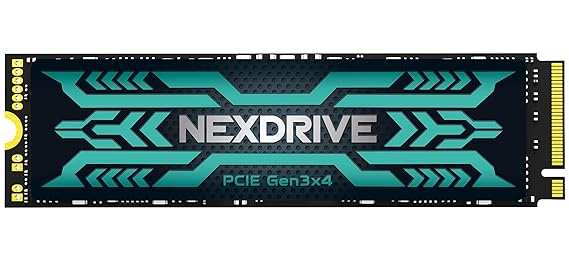
When it comes to external hard disks, there are primarily two main types: HDDs and SSDs. HDDs, or hard disk drives, use spinning disks to store data, providing high storage capacity at a more affordable price point. On the other hand, SSDs, or solid-state drives, have no moving parts and offer faster data access speeds and increased durability compared to HDDs.
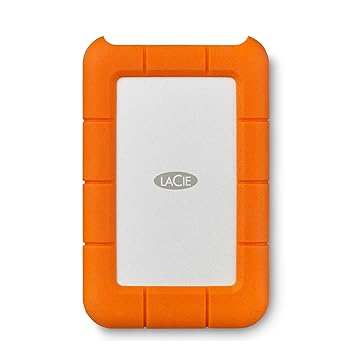
Within these two broad categories, there are also portable external hard disks and desktop external hard disks. Portable external hard disks are compact, lightweight, and designed for on-the-go use, making them ideal for backing up files or transferring data between devices. Desktop external hard disks, on the other hand, are larger in size and typically offer higher storage capacities, making them suitable for large file storage or as a central hub for data backup solutions.
Factors to Consider When Choosing an External Hard Disk
When selecting an external hard disk, storage capacity is a critical factor to keep in mind. Consider your current and future storage needs to ensure the hard disk you choose accommodates all your data without running out of space.
Another important consideration is the compatibility of the external hard disk with your devices. Make sure the hard disk you select is compatible with your computer or laptop, as well as any other devices you plan to use it with, to ensure seamless connectivity and data transfer.
Lastly, think about the durability and portability of the external hard disk. Choose a device that is sturdy enough to withstand everyday use and portable enough to carry around conveniently. Hdd for a compact and lightweight design if you need to transport the hard disk frequently.
Tips for Proper Maintenance
External hard disks are valuable tools for storing important data, so it's essential to take good care of them. Make sure to keep your external hard disk in a safe and stable environment to prevent physical damage. Avoid exposing it to extreme temperatures, moisture, or dust, as these can cause malfunctions or data loss.
Regularly back up your data to minimize the risk of losing important files in case of hard disk failure. Create https://www.harddiskprice.in/ of your data and store them in different locations for added security. This practice can also help you recover your files more easily if your external hard disk stops working unexpectedly.
Lastly, remember to safely eject your external hard disk from your computer or device before unplugging it. Properly ejecting the disk ensures that all data writing processes are completed, reducing the risk of data corruption. Disconnecting the hard disk without ejecting it first can lead to data loss or damage, so always follow this crucial step.